
Texas Wine Country spans the Texas Hill Country AVA, the High Plains, and the Trans-Pecos region - a sprawling stretch of limestone escarpments, cedar-dotted valleys, and over 500 wineries that has quietly become one of the most compelling wine destinations in the United States. Staying centrally within this region means trading interstate convenience for proximity to tasting rooms, scenic river roads, and small-town squares where the rhythm slows considerably. These 5 central hotels across Texas Wine Country put you within reach of the region's most visited towns and vineyards, each offering a distinct base for exploring by car.
What It's Like Staying in Texas Wine Country
Texas Wine Country is not a walkable destination - it is a drive-to-explore region where distances between wineries can reach around 50 kilometers, and a car is non-negotiable for any meaningful visit. Towns like Fredericksburg, Wimberley, Comfort, and Leakey serve as overnight anchors between tasting routes, and most visitors plan around 3 nights minimum to cover even a fraction of the Hill Country corridor. Crowd patterns are seasonal but sharp: weekends from March through November fill up fast, particularly around Fredericksburg's Main Street and the Pedernales wine trail.
Pros:
- Direct access to 40+ tasting rooms within a short drive of most central towns, particularly around the US-290 wine corridor
- Low light pollution and quiet nights make the region appealing for travelers who want genuine rural atmosphere without roughing it
- Centrally positioned hotels double as practical bases for day trips to the Frio River, Lost Maples State Natural Area, and Enchanted Rock
Cons:
- No public transport exists between towns - a rental car is essential and adds to total trip cost
- Weekend rates at Hill Country properties spike noticeably between April and October, especially near Fredericksburg
- Dining options thin out sharply after 9 PM in smaller towns like Leakey and Fort Davis
Why Choose Central Hotels in Texas Wine Country
Central hotels in Texas Wine Country tend to occupy converted historic buildings, boutique inns, or small-footprint properties embedded in their local towns rather than resort complexes on the periphery. This positioning typically means shorter drives to the nearest tasting room, better access to local restaurants and weekend farmers markets, and a more grounded sense of place than highway-adjacent chains offer. Centrally located properties here often include free parking as standard, which matters when daily wine route driving is part of the plan, and room sizes tend to be more generous than urban counterparts given the low-density building environment.
Pros:
- Walking distance or short drives to town centers, local eateries, and often the nearest winery or vineyard tasting room
- Free parking nearly universal across central Hill Country hotels, eliminating a recurring urban travel cost
- Rooms frequently include patios, garden access, or pool facilities that urban hotels at similar price points would not offer
Cons:
- Smaller property size means fewer rooms and limited last-minute availability during peak weekends
- On-site amenities like full gyms or spas are less consistent than larger resort-style properties in the region
- Properties in smaller towns like Leakey or Fort Davis offer minimal nightlife or entertainment within walking distance after dark
Practical Booking & Area Strategy for Texas Wine Country
For wine-focused itineraries, Fredericksburg and Comfort are the strongest base towns - both sit on or near the US-290 wine corridor, which concentrates the highest density of Hill Country wineries and tasting rooms in the state. Wimberley works well for travelers who want proximity to both the Blanco wine trail and outdoor swimming holes like Blue Hole Regional Park, while Leakey and Fort Davis suit those prioritizing nature and solitude over vineyard density. Austin-Bergstrom International Airport connects most major US cities to the region, placing Wimberley around 68 kilometers away and Round Rock under 40 kilometers - making those towns logical first-night stops after arrival. Book at least 6 weeks ahead for any Friday or Saturday night between April and October, as central properties in Fredericksburg and Wimberley routinely sell out. The Frio River near Leakey, Lost Maples State Natural Area, and Enchanted Rock State Natural Area are among the most visited attractions in the broader Hill Country, so towns nearest those sites see occupancy surges during fall foliage season in late October and early November.
Best Value Stays
These properties offer strong positioning relative to their price point, with free parking, functional amenities, and reliable access to key Hill Country attractions without the premium rates of Fredericksburg's most popular inns.
-
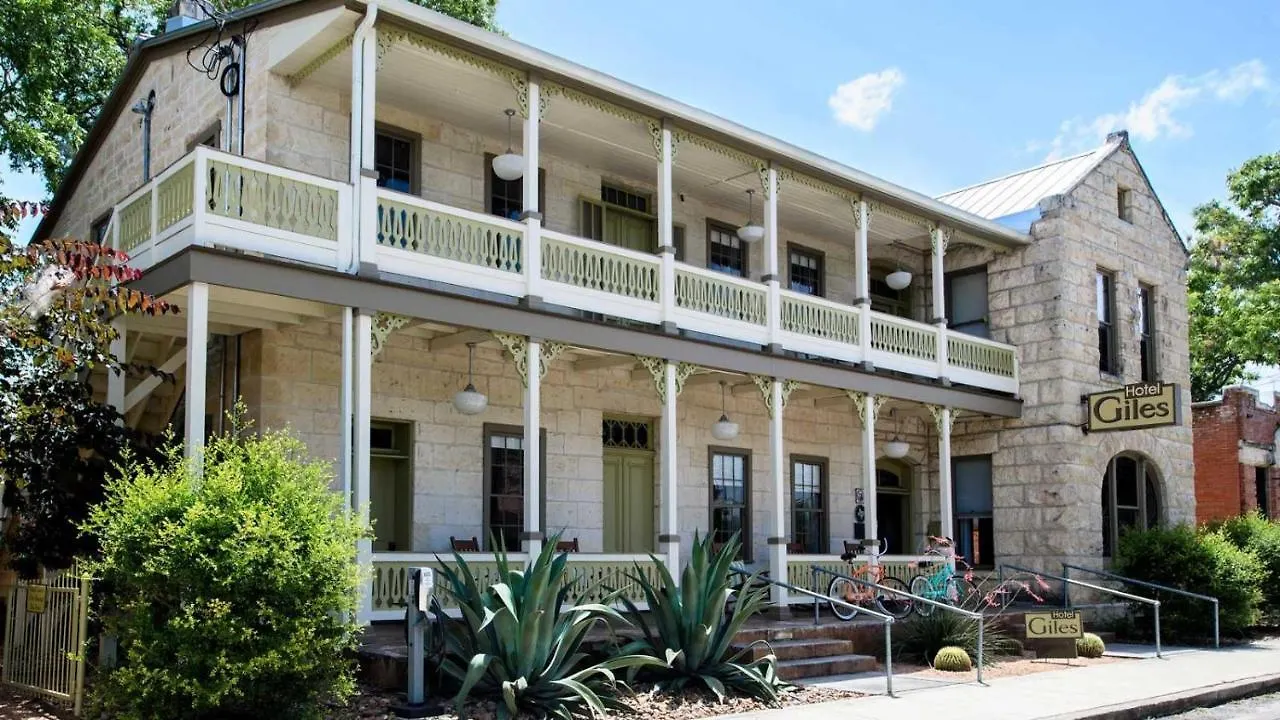
1. Hotel Giles
Show on map


 Check-infrom 15:00 until 23:59Check-outuntil 10:00
Just a few rooms left at the best rate!
fromUS$ 258
-
2. Hotel Flora And Fauna
Show on map


 Check-infrom 15:00 until 23:59Check-outuntil 11:00
Just a few rooms left at the best rate!
fromUS$ 223
-
3. The Hotel Limpia
Show on map


 Check-infrom 15:00 until 23:59Check-outuntil 11:00
Hurry – almost gone at this price!
fromUS$ 94
Best Premium Stays
These two properties offer elevated facilities, stronger F&B programming, and amenities that justify a higher nightly rate - particularly for travelers who want more than a functional overnight stop in Texas Wine Country.
-
4. The Historic Leakey Inn
Show on map


 Check-infrom 16:00 until 23:59Check-outfrom 06:00 until 11:00
Hurry – almost gone at this price!
fromUS$ 88
-
5. The Ruby Hotel
Show on map


 Check-infrom 15:00 until 23:30Check-outuntil 11:00
Rooms filling fast – secure the best rate!
fromUS$ 128
Smart Travel & Timing Advice for Texas Wine Country
The Texas Hill Country wine season runs year-round, but spring (March to May) and fall (September to November) deliver the best combination of weather and vineyard activity - harvest events concentrate around September and October, when wineries along the US-290 corridor host release weekends that drive occupancy to near capacity across all central towns. Summer brings intense heat above 37°C in lower-elevation areas like Leakey and Comfort, pushing many travelers toward properties with pools and shaded outdoor space. Winter is the quietest and most affordable season, with January and February offering the best last-minute rates and the shortest waiting times at popular tasting rooms. Book weekend stays at least 8 weeks ahead during spring and fall if targeting Wimberley, Comfort, or any town near Fredericksburg's wine trail. A minimum of 3 nights is recommended to realistically cover both the Hill Country AVA and a secondary area like the Frio River valley or the Davis Mountains without spending most of each day in the car. Midweek stays typically run significantly lower in rate and offer a noticeably quieter tasting room experience across the region.


